By the time kids are a few weeks into the new school year, the novelty of new supplies has worn off and daily routines have settled into a pattern, including how much they are carrying in their backpacks. Textbooks, binders, laptops, water bottles, and extracurricular gear can add up to a surprising amount of weight, and this is usually the point in the year when we start seeing more posture-related complaints from school-age patients.
Why the First Few Weeks Matter
Early in the school year, families are often paying close attention to backpack habits, making sure straps are adjusted and weight is distributed well. A few weeks in, that attention tends to fade as routines become automatic, even as backpacks get heavier with new assignments, sports equipment, and seasonal gear. That combination, less attentive habits plus more weight, is exactly when postural strain tends to show up.
What to Look For
- Your child leaning noticeably forward or to one side while wearing their backpack
- Complaints of shoulder, neck, or back discomfort after the school day
- Red marks or indentations on the shoulders from tight or poorly adjusted straps
- A backpack that hangs low, near or below the hips, rather than sitting close to the mid-back
General Guidelines for Backpack Weight
A commonly cited guideline from pediatric health organizations is that a child’s backpack should generally weigh no more than about ten to fifteen percent of their body weight. Both straps should be used rather than slinging the bag over one shoulder, which creates uneven strain on the spine.
Why This Matters for Growing Bodies
Kids’ spines and postural muscles are still developing, which means poor carrying habits established early can contribute to compensatory posture patterns over time. This ties into what we see broadly with poor posture in younger patients, where habits formed early in childhood often carry into adolescence if they are not addressed.
What Parents Can Do
Do a Quick Weekly Check
Periodically go through your child’s backpack and remove anything that does not need to be carried daily. It is easy for extra items to accumulate over a few weeks without anyone noticing.
Adjust Straps as Your Child Grows
Straps that fit well in August may need readjusting a few weeks or months into the school year as your child grows or as their bag’s contents change.
Watch How They’re Wearing It
Encourage both straps and a snug, high fit rather than letting the bag hang low on the back.
When a Pediatric Evaluation Makes Sense
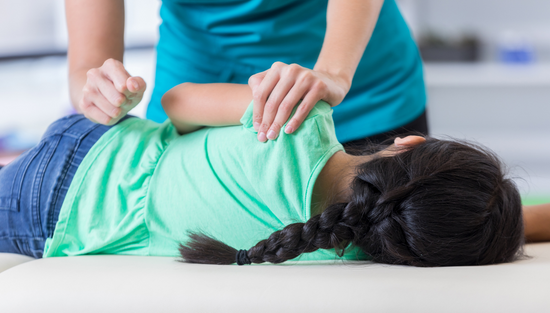
If your child is regularly complaining of discomfort, or if you have noticed a change in how they stand or walk since school started, a pediatric chiropractic evaluation can help determine whether backpack habits, or something else, are contributing to the issue. The American Academy of Pediatrics has published general backpack safety guidance for parents as part of broader school health recommendations.
Support for the School Year Ahead
If backpack strain or posture changes are showing up a few weeks into the school year, Espinoza Chiropractic can help. Visit our North Austin clinic (1929 Payton Gin Rd) or South Austin clinic (5920 W William Cannon Dr).
New patients can take advantage of our $97 New Patient Special (a $297 value) for a full consultation, exam, and first adjustment. Book your appointment and help your child start the year off comfortably.